
The psychology behind risk understanding the allure of gambling
The Nature of Risk and Reward
The allure of gambling often lies in the intricate dance between risk and reward. This dynamic can be understood through various psychological theories, particularly those related to decision-making and risk assessment. Human beings are naturally inclined to seek out rewards, and the potential for winning large sums of money can trigger a potent rush of excitement. This thrill is heightened by the uncertainty that surrounds each gamble, creating an adrenaline-driven experience that is hard to resist. For those interested in maximizing their gaming experience, a fantastic place to start is by investigating the pinup casino bonus, which can significantly enhance your chances of winning.

Moreover, the idea of a big win can lead individuals to perceive gambling as a potentially lucrative endeavor. This perception is not only influenced by the immediate thrill but also by cognitive biases such as the availability heuristic. Players may overestimate their chances of winning based on anecdotal experiences or stories from others, creating a false sense of security that compels them to take greater risks. The psychological pull of this distorted reality often overshadows the more grounded understanding of odds and probabilities.
Furthermore, the reward system in our brains plays a crucial role in the allure of gambling. When individuals engage in risky behaviors, such as betting, the brain releases dopamine, a neurotransmitter associated with pleasure and reward. This chemical reaction reinforces the behavior, leading to repeated gambling activities as players chase the high they felt during previous wins. Understanding this biological feedback loop is essential in comprehending why many individuals find gambling irresistible, even when faced with significant losses.
Cognitive dissonance refers to the mental discomfort experienced when one holds contradictory beliefs or engages in behavior that conflicts with their values. In the context of gambling, players often experience this dissonance when they understand the odds yet continue to gamble, hoping for a different outcome. This disconnect can drive players to rationalize their behavior, such as telling themselves they are “due for a win” or that they are using gambling as a form of entertainment rather than a serious financial endeavor.
This rationalization becomes a coping mechanism that allows gamblers to reconcile their actions with their beliefs, even if it leads to financial strain. For instance, a player may lose several bets but convince themselves that their next attempt will yield success. This form of self-deception can lead to a cycle of continuous gambling, as each loss is offset by the hope of a future win, further entrenching their behavior.
The emotional stakes involved in gambling also contribute to cognitive dissonance. Players often form emotional attachments to the idea of winning, which can cloud their judgment. The thrill of potentially winning money can be intoxicating, making it easier to ignore previous losses or the possibility of negative outcomes. This powerful mix of emotion and logic fuels the ongoing engagement in gambling, despite a growing awareness of the risks involved.
Gambling is rife with superstition and myth, elements that can significantly shape a player’s experience and decisions. Many gamblers develop rituals or routines that they believe can influence the outcome of games, from wearing lucky clothing to following specific betting patterns. These superstitions can create a comforting illusion of control in a fundamentally unpredictable environment, allowing players to feel empowered in their choices.
The belief in luck often overshadows a rational understanding of odds and statistical outcomes. Players may attribute wins to their rituals while blaming losses on “bad luck” or external factors. This tendency reflects a common cognitive bias known as the illusion of control, where individuals believe they can influence events that are, in fact, beyond their control. This mindset not only enhances the gambling experience but can also lead to repeated gambling, as players cling to their beliefs about what influences outcomes.
Moreover, myths surrounding gambling, such as the “hot” or “cold” streaks, further complicate players’ perceptions. These misconceptions can lead individuals to make irrational decisions based on faulty logic rather than sound strategy. By debunking these myths and understanding the psychological mechanisms that underpin gambling behavior, players can make more informed choices and approach gambling with a healthier mindset.
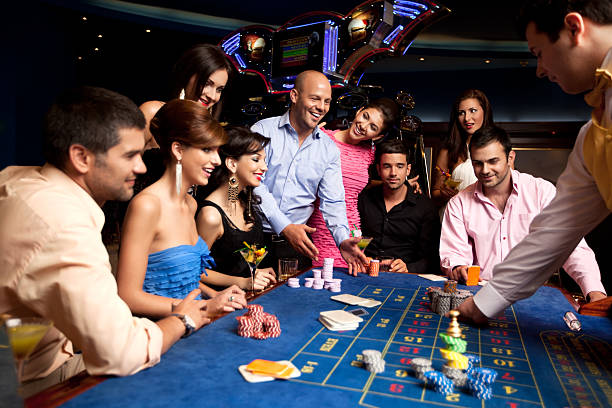
The environment in which gambling occurs plays a significant role in influencing behavior. Casinos are designed to create an immersive experience that encourages spending and extended playtime. From the sounds of spinning slots to the flashing lights of game tables, these environments are crafted to stimulate excitement and distract from the risks associated with gambling. This sensory overload can diminish players’ awareness of time and money, allowing them to lose track of their spending.
Moreover, the social aspect of gambling cannot be overlooked. Many individuals are drawn to casinos or betting establishments for the camaraderie and social interaction they provide. This sense of community can enhance the enjoyment of the experience, but it can also escalate risky behavior as individuals feel compelled to keep up with friends or peers. The pressure to participate and not be left out can lead to excessive betting and heightened emotional responses, compounding the psychological allure of gambling.
Additionally, the increasing popularity of online gambling platforms has transformed the gambling landscape, providing easy access and convenience. Players can gamble from the comfort of their homes, which removes the social checks and balances that a physical casino might impose. This anonymity can lead to more reckless behavior, as individuals feel less accountable for their actions. Understanding how environment affects gambling behavior is crucial for addressing the psychological factors that contribute to problem gambling.
Amid the complexities of gambling psychology, promoting responsible gaming is essential. Online platforms have an important role in educating players about the risks associated with gambling and providing tools to help manage their behavior. Strategies such as setting limits on deposits, implementing self-exclusion options, and offering resources for those struggling with gambling addiction can empower players to make informed choices and maintain a healthier relationship with gambling.
Moreover, community resources are invaluable in supporting individuals affected by gambling. Organizations and support groups offer guidance and assistance to those who find themselves struggling with addiction. These resources often include educational workshops, counseling, and peer support networks, all of which are designed to foster awareness and understanding of the psychological aspects of gambling.
By encouraging dialogue about gambling and its potential pitfalls, individuals can learn to navigate the landscape more responsibly. As players become more informed about the psychological factors at play, they can better resist the allure of gambling, leading to a healthier approach that prioritizes enjoyment without compromising well-being. This holistic understanding can also enhance the overall gaming experience, making it more enjoyable and less risky for everyone involved.
“`