
Master the Thrill: Top Casino Games That Actually Pay Out
A friend of yours might walk into a brightly lit room and place a bet on a spinning roulette wheel, hoping the ball lands on their lucky number. At its core, casino games are a collection of activities that combine chance and strategy, using tools like dice, cards, or electronic machines to determine outcomes. You play by placing a wager and then following the specific rules of each game, such as hitting or standing in blackjack, to try and win a payout based on random results. The immediate benefit is the thrill of risk and the possibility of a quick reward, turning a simple guess into an exciting moment.
Mastering the Art of House Edge: Understanding Your Odds
You settle into your seat at the blackjack table, the felt worn from countless hands. Mastering the art of house edge means seeing the game beneath the game—the statistical tilt built into every spin, roll, or deal. That roulette wheel spins 38 slots, but you only get paid for 36, a steady 5.26% drain on your bet. Every hand of blackjack pits your decisions against the dealer’s fixed rules. Understanding your odds shifts your focus from chasing wins to measuring risk. You stop playing a slot machine because its 10% house edge grinds your bankroll faster than a table with 1.5%. Real context is in the math: pick games with the lowest built-in tax, and your session stretches longer, giving luck a chance to find you.
How Probability Shapes Every Spin and Shuffle
Every spin of the roulette wheel or shuffle of the deck is ruled by fixed probabilities, not luck. In roulette, the 38 slots (including 0 and 00) mean your chance of hitting a single number is always 1 in 38. For blackjack, each card removal shifts the odds—probability dictates your next move. Here’s how it flows:
- The deck’s composition changes after every card, altering the chance of busting or drawing a blackjack.
- The house edge on any spin is built into the wheel’s layout (e.g., the green zero slots).
- Outcomes are independent: a red spin doesn’t make black “due” next—probability resets each time.
Knowing these constants helps you choose wagers with the lowest built-in disadvantage.
Calculating the Built-In Advantage Across Popular Games
Calculating the built-in advantage across popular games requires applying distinct formulas to each game’s mechanics. In American roulette, the house edge is derived from the extra green zeroes: a single-number bet pays 35-to-1, but true odds are 37-to-1, yielding a 5.26% advantage. For blackjack, the house edge fluctuates between 0.5% and 2% based on rule variations, calculated by comparing payout structures to mathematical probabilities of busting. Craps’ pass-line bet offers a 1.41% edge, computed from the 251-to-244 true odds against the 2-to-1 payout. Slots require analyzing paytable return-to-player percentages, where the advantage equals 100% minus the RTP. Q: How do you calculate the house edge in baccarat? A: For banker bets, subtract the 5% commission from the 50.68% win probability, resulting in a 1.06% built-in advantage.
Why Long-Term Expectations Always Favor the House
The house edge is a fixed mathematical advantage built into every game, ensuring that over thousands of hands or spins, the casino’s cumulative profit is guaranteed. While short-term luck can swing wildly in a player’s favor, long-term expectations always favor the house because probability dictates that the more you play, the closer your results will align with the game’s statistical disadvantage. This is why repeated play amplifies the house edge into an unavoidable net loss for the player, making cd33 the casino’s long-term earnings a mathematical certainty.
Regardless of short-term wins, the house edge is engineered so that over extended play, the casino always profits and the player always loses.
Psychology of Risk: Why Players Keep Coming Back to the Tables
The psychology of risk in casino games exploits the near-miss effect, where an almost-win triggers a dopamine response similar to a real win, compelling players to chase that perceived close result. This is reinforced by the illusion of control—players believe personal rituals or decisions can influence purely random outcomes like dice or card draws. Variable rewards, where a payout is unpredictable, create a powerful conditioning loop; the brain prioritizes the anticipation of a win over the actual loss. This cognitive distortion, known as the gambler’s fallacy, leads players to believe past losses increase their future chances, overriding logical risk assessment with emotional momentum.
The Thrill of Near Misses and Their Emotional Grip
A near miss in a casino game tricks your brain into thinking you almost won. That almost-win fires off dopamine, the same chemical that celebrates a real victory, creating a powerful near-miss emotional grip that feels like progress. Your mind ignores the loss and focuses on the narrow miss, convincing you that a win is imminently “due.” This false sense of control keeps you chasing that same result, turning a loss into a thrilling reason to spin again, not a warning to stop.
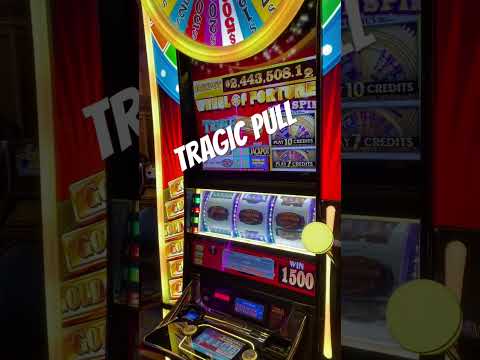
How Jackpot Sirens and Visual Cues Influence Decisions
The brain’s reward system is hijacked by jackpot sound design, which triggers a dopamine spike even when you lose. A near-miss accompanied by flashing lights and ascending chimes creates the illusion of control, pushing you to believe the next spin is “due.” Visual cues like celebratory animations on a losing spin condition you to associate the machine with wins, not losses. This sensory feedback effectively rewires your risk assessment, making a statistical loss feel like a partial victory. Each siren and strobe is a deliberate anchor, overriding logic to keep your hand pulling the lever.
Managing Impulse in High-Stakes Environments

In high-stakes casino environments, managing impulse requires pre-setting rigid loss limits before play begins, as the rapid escalation of bets triggers dopamine-driven reward circuits that override rational calculation. Players who succeed enforce a mandatory cool-down period after any significant win or loss, interrupting the emotional momentum that fuels chase behavior. This deliberate pause allows the prefrontal cortex to re-engage, countering the limbic system’s urgency. Impulse control hinges on environmental structuring, such as avoiding alcohol and eliminating one-click betting options, which strip away friction that slows decision-making. Without these barriers, the brain defaults to pattern-seeking, mistaking streaks for skill rather than variance.

Strategic Approaches That Shift Tides at the Table
In blackjack, a strategic approach that shifts tides involves mastering basic strategy and card counting to turn the house edge into a player advantage. For poker, adjusting your aggression based on opponent tendencies—tightening up against loose players and bluffing more against timid ones—can completely flip the dynamic at the felt. Q: What single move most disrupts a table’s flow? A: Varying your bet size and timing randomly in games like baccarat or blackjack, as it forces opponents and the dealer to lose their rhythm. Even in roulette, smartly betting on outside even-money chances while using a progression like the Martingale can recover losses quickly, though bankroll limits are key. These focused adjustments exploit predictable patterns, letting you dictate the pace instead of reacting to the deal.
Positional Play and Card Counting Essentials
Positional play in blackjack means you act last at the table, giving you the crucial edge of seeing everyone else’s moves before you decide. This lets you adjust your hand based on what the dealer shows, not just your own cards. Card counting essentials then build on this by tracking high and low cards to know when the deck is rich with face cards. You can combine these skills in a simple sequence:
- Use your late position to observe all player decisions.
- Keep a running count of low cards ( +1 ) and high cards ( -1 ).
- When the count turns positive and you’re last to act, increase your bet.
Together, they shift the odds subtly but consistently in your favor.
Bankroll Tactics: When to Press and When to Fold
The core of a shifting tide often lies in recognizing the precise moment to press a winning streak versus folding to protect capital. Pressing—increasing a bet after a win—exploits favorable variance, but only when the original stake was a small fraction of your total bankroll. The discipline to fold occurs when the game’s volatility exceeds your risk tolerance, not when you sense a “loss.” Strategic bankroll allocation dictates that you press only during confirmed positive expected value, while folding preserves longevity against inevitable downswings.
Press into advantage with increasing bets; fold to survive volatility without emotional interference.
Betting Systems Examined: Myths vs. Reality
Betting systems examined: myths vs. reality reveals a critical truth for any table player. The myth that a system like Martingale can overcome the house edge persists, but reality exposes it as a risk management tool, not a winning strategy. For example, progressive betting cannot change fixed odds; it only alters bet sizes to chase losses. The house advantage remains untouched, ensuring long-term losses. A fixed betting approach often preserves your bankroll more effectively than chasing a mythical recovery. Systems provide structure, not profit—a reality every strategist must accept.
| Myth | Reality |
|---|---|
| Betting systems guarantee wins | Systems cannot alter game probability |
| Martingale recovers all losses | Exponential bets risk bankroll collapse |
Digital Evolution of Table Entertainment
The felt of a blackjack table once smelled of chalk and tobacco, but today it hums through fiber optics. Digital table entertainment has rewired the core experience, turning a dealer’s hand into a real-time video stream that you can zoom in on. In live dealer blackjack, the shoe is shuffled in a studio while your chip tray updates instantly on the screen—no waiting for the pit boss to authorize a payout. You see the dealer slide a card into the reader, and the result is broadcast before the felt even settles. For baccarat, interactive table gameplay lets you switch between watching multiple camera angles of the same shoe, feeling like you’re leaning over the table’s edge without the crowd. It’s the same game, but the proximity is digital now.
Live Dealers vs. Automated Platforms: Key Differences
Live dealers bridge the gap between virtual and physical casinos by streaming real humans who shuffle, spin, and chat in real time, creating genuine social interaction. Automated platforms rely entirely on Random Number Generators and graphic interfaces, offering faster gameplay without delays for betting windows or dealer interactions. The core tradeoff is speed versus immersion. Live dealer pacing mimics a real table, while automated games let you play dozens of hands per hour solo. Which format suits a blackjack player who values quick decisions? Choose automated platforms for rapid-fire rounds; live dealers if you prefer reading opponent tells and dealer personality.
Mobile Adaptations That Reshape Player Experiences
Mobile adaptations fundamentally reshape player experiences by translating physical casino dynamics into portable, tactile interfaces. Touchscreen gestures replace button presses for spinning reels or placing chips, while gyroscopic sensors in smartphones enable immersive tilt-to-roll mechanics in digital craps. These adaptations leverage responsive haptic feedback to mimic the physical vibration of a roulette ball or the subtle click of a card deck, bridging the sensory gap between virtual and tangible play. Portrait-mode layouts and one-handed navigation simplify betting for on-the-go sessions, with auto-rotate features adjusting table views for landscape immersion. Responsive design ensures real-time dealer streams scale without lag, preserving the core rhythm of live table games despite smaller screens.
Virtual Reality and Immersive Wagering Trends
Virtual Reality transforms table entertainment by placing you directly into a lifelike casino environment from your home. Immersive wagering trends let you physically reach for virtual chips, lean over a blackjack felt, or spin a roulette wheel using motion controllers. Real-time haptic feedback simulates the weight of cards and the bounce of dice, deepening engagement. This layer of sensory realism can subtly alter betting behavior, as spatial cues and social presence amplify the perceived stakes of each hand.
- Interact with dealers and players using natural hand gestures and voice chat.
- Customize your avatar and private table settings for a personalized session.
- Experience 360-degree table views that change with your head movement.
Money Management for Sustained Play
You slide into your seat at the blackjack table, a crisp bankroll in your pocket. Money Management for Sustained Play isn’t about chasing losses; it’s about defining a loss limit before the first card hits the felt and walking away the moment you reach it. You split your session bankroll into smaller units—say, twenty bets—ensuring a bad run of ten hands can’t wipe you out. When a hot streak lifts your stack, you pocket half the profit, letting only the original stake ride.
The key insight: treat your bankroll like a finite resource you ration for time, not a war chest to win a fortune.
This discipline turns a volatile game into a controlled session, letting you enjoy the spin of the roulette wheel or the deal of the baccarat shoe without emotional swings draining your funds.
Setting Loss Limits and Profit Targets Early

Setting loss limits and profit targets early creates a structured framework that prevents emotional decision-making during play. A loss limit caps the amount you are willing to lose in a session, ensuring you stop before chasing deficits. A profit target defines a winnings threshold where you cash out, locking in gains instead of risking their loss. Both numbers must be set before any game begins, based solely on your bankroll size, not on outcomes. This discipline transforms a volatile session into a controlled exit strategy, directly protecting your funds from the house edge over time.
| Aspect | Loss Limit | Profit Target |
|---|---|---|
| Purpose | Preserve bankroll | Secure winnings |
| Trigger | Reach preset deficit | Hit preset surplus |
| Action | Immediate session end | Immediate cash out |
Distinguishing Between Short-Term Luck and Long-Term Skill
When managing money for sustained play, you must ruthlessly separate a single hot streak from actual, executable proficiency. A lucky dealer error or improbable river card does not validate your strategy; only consistent decision-making over hundreds of rounds reveals genuine skill floor versus variance spikes. Track every session’s outcome, but focus your analysis on your percentage of correct plays, not the net result. A skilled player knows a loss with optimal moves is better than a win with sloppy ones, because luck fades while skill compounds. Ignore the lure of chasing a “system win” and instead audit your process.
Luck is a fleeting guest in your bankroll; skill is the permanent resident paying the bills.
Leveraging Bonuses Without Falling Into Traps
To truly benefit from casino games, you must master leveraging bonuses for sustained play by dissecting wagering requirements before accepting any offer. A 100% match might seem generous, but a 40x playthrough on slots versus table games can drain your bankroll fast. Focus on low-wagering bonuses or free spins with capped max cashouts, and always check game weightings—some contribute as little as 10%. Treat every bonus as a short-term bankroll boost, not profit. Bonus hunting fails when you ignore expiry dates or skip reading the terms.
Use bonuses to extend playtime, not to chase wins—read the fine print, calculate your effective cost, and walk away if the trap outweighs the reward.
Social Dynamics Around the Felt
The social dynamics around the felt in casino games are defined by unspoken hierarchies and ritualized interaction.Players often adopt a specific table persona, using minimal eye contact and standardized gestures to signal experience or caution. Dealers act as neutral arbiters of this social flow, smoothing tensions by narrating the action or offering brief, non-committal commentary. A sudden win or loss can instantly shift the group’s energy, causing players to either clap for a hot streak or retreat into silent, focused play. Understanding these cues helps a newcomer avoid inadvertently breaking table etiquette, such as touching chips during a hand or misreading a player’s deliberate pause as hesitation. This social fabric directly impacts game pace and camaraderie, whether at a poker table’s tense fold-or-raise moments or a blackjack shoe where collective solidarity against the dealer briefly bonds strangers.
Reading Opponents in Person and Online
Reading opponents at a live table requires observing subtle physical tells—nervous chip handling, fleeting eye contact, or breathing patterns during decisive moments. Online, you rely on betting pattern recognition: timing discrepancies, consistent bet sizing, or abrupt changes in aggression. A player who snap-calls then hesitates on a later street often signals weakness. Note how opponents react to draws versus made hands, as digital habits mirror live tendencies.
Q: How do I spot a bluff online without physical cues? A: Look for sizing inconsistencies; a large bet on a dry board often signals strength, while a min-raise after passive play usually indicates a draw or weak pair.
Etiquette Rules That Enhance Group Experience
A shared table thrives on unspoken contracts. Etiquette rules that enhance group experience begin with reading the table’s energy; refrain from offering unsolicited advice on another’s hand, as this disrupts personal responsibility. Protect the communal flow by handling chips decisively and announcing your action clearly—ambiguous gestures kill momentum. A quick, friendly acknowledgment of a dealer’s efficiency, whether you win or lose, establishes a cooperative rather than adversarial vibe. Avoid berating others for “breaking” a streak; luck is fickle, not personal.
- Wait for the conclusive hand signal before touching your own cards or chips.
- Celebrate big wins with muted excitement to avoid intimidating quieter players.
- Never touch another player’s chips or cards without explicit permission.
How Camaraderie Affects Betting Behavior
Shared camaraderie at the table often leads to conformity betting patterns. Players align wager sizes with the group to avoid social scrutiny, increasing bet amounts during a collective win streak. Conversely, a lone player may stubbornly raise bets to signal independence, disrupting group flow. This social pressure can override personal bankroll discipline, as individuals prioritize maintaining group cohesion over rational stake management.
Camaraderie pushes players toward group-aligned bet sizes, where social acceptance often outweighs individual risk assessment.
What Exactly Are Casino Games and How Do They Work?
The Core Mechanics Behind Every Slot Machine and Table Game