
Best eSIM Data Plans for Travelers in 2025
An eSIM data plan is a digital SIM profile that lets you activate a cellular data service without needing a physical SIM card. It works by downloading the plan directly to your phone, enabling you to connect to local networks when you travel or switch between providers instantly from your settings. This means you can stay online right after landing without fumbling with tiny cards or hunting for a store. Simply scan a QR code or use an app to get started, and you’re good to go.
What Makes Embedded SIM Technology Different
Embedded SIM technology fundamentally changes how you access an eSIM data plan by removing the physical SIM card. Instead of swapping a plastic chip, you remotely download and activate a new carrier profile directly onto the device’s soldered chip. This allows you to instantly switch between multiple eSIM data plans without waiting for a physical delivery or needing a SIM ejector tool. For frequent travelers, this means you can pre-purchase and store several local or global data plans, toggling between them on the fly. The hardware is also tamper-resistant and soldered to the motherboard, which eliminates the risk of losing or damaging a removable card while managing your eSIM data plan subscriptions.
How eSIMs Eliminate Physical Cards
An eSIM eliminates the physical SIM card entirely by embedding a rewritable chip directly into the device’s motherboard. Instead of swapping plastic cards, users download a digital profile—often via a QR code or app—to activate an esim data plan instantly. This removes the need for physical SIM trays, reducing manufacturing bulk and improving water resistance. The profile can be remotely rewritten for carrier changes without waiting for postal delivery of a new card. Comparing physical SIM removal:
| Physical SIM | eSIM (Elimination) |
| Requires card insertion | No card handling |
| Traditionally shipped or store-purchased | Downloaded OTA |
Key Advantages Over Traditional Plastic SIMs
For esim data plans, the key advantages over traditional plastic SIMs center on remote provisioning and instant connectivity. You avoid physical SIM swaps when switching carriers or traveling, as a new data profile can be downloaded directly to the device within minutes. This eliminates the need to carry multiple plastic cards or risk losing a tiny chip. The eSIM also frees up the physical slot, enabling dual-SIM flexibility for using a local data plan alongside a home number without hardware changes.
Question: How does an eSIM data plan avoid the latency of waiting for a physical SIM to arrive?
Answer: You instantly activate a data profile over the air, bypassing shipping and insertion time.
Selecting the Right Data Package for Travel
Selecting the right data package for travel begins with assessing your destination’s network coverage through an eSIM provider’s supported carriers. Prioritize packages offering a generous high-speed data cap over unlimited throttled plans, as constant slow speeds ruin navigation and streaming. For multi-country trips, a regional eSIM bundle often beats buying separate local plans. Always check if the package includes a hotspot allowance, as many “unlimited” eSIMs block tethering entirely. Opt for a plan with a validity period exceeding your trip by a few days to avoid last-minute top-ups. Finally, compare per-GB pricing against your average daily usage, not just the lowest headline price.
Regional vs Global Coverage Options
Choosing between regional and global coverage for your eSIM hinges on your itinerary. A regional eSIM data plan offers superb value if you are visiting multiple neighboring countries, like the EU or Southeast Asia, bundling cost-effective coverage across borders. Conversely, a global plan provides seamless connectivity across continents, ideal for multi-stop world travel, but often at a higher price per gigabyte. Evaluate your precise stops; a regional pass saves money on single-trip tours, while global coverage guarantees you stay online when hopping from Japan to Brazil.
Which is more budget-friendly for a two-week trip across two neighboring countries? A regional plan is almost always cheaper than a global one, as it avoids the premium for worldwide network access.
Duration and Data Allowance Comparisons
When comparing eSIM data plans, balancing trip length with data usage is critical. Short 1–3 day plans often offer limited high-speed data, ideal for city mapping, while 7–30 day packages provide larger allowances like 5–20GB, perfect for streaming or remote work. Overestimating your duration wastes money; underestimating leaves you stranded with slow speeds. Compare per-day costs: a 10GB/30-day plan often beats stacking multiple week-long bundles.
- Match plan duration exactly to your travel dates to avoid paying for unused days.
- Choose data allowances based on your habits: light users (1–3GB/week) versus heavy streamers (10GB+/week).
- Look for rollover or top-up options if your trip exceeds standard plan durations.
Identifying Unlocked Device Compatibility
Before purchasing an eSIM data plan, you must first verify your device is carrier-unlocked and eSIM-compatible. Check your phone’s IMEI in settings or by dialing *#06#; a locked device will reject any eSIM profile, causing wasted expense. Device unlock status is the foundational requirement—use your carrier’s unlock portal or request a network unlock code if needed. Even a fully unlocked phone may lack eSIM hardware on certain older models, so confirm both cellular and eSIM support in your device’s spec sheet.
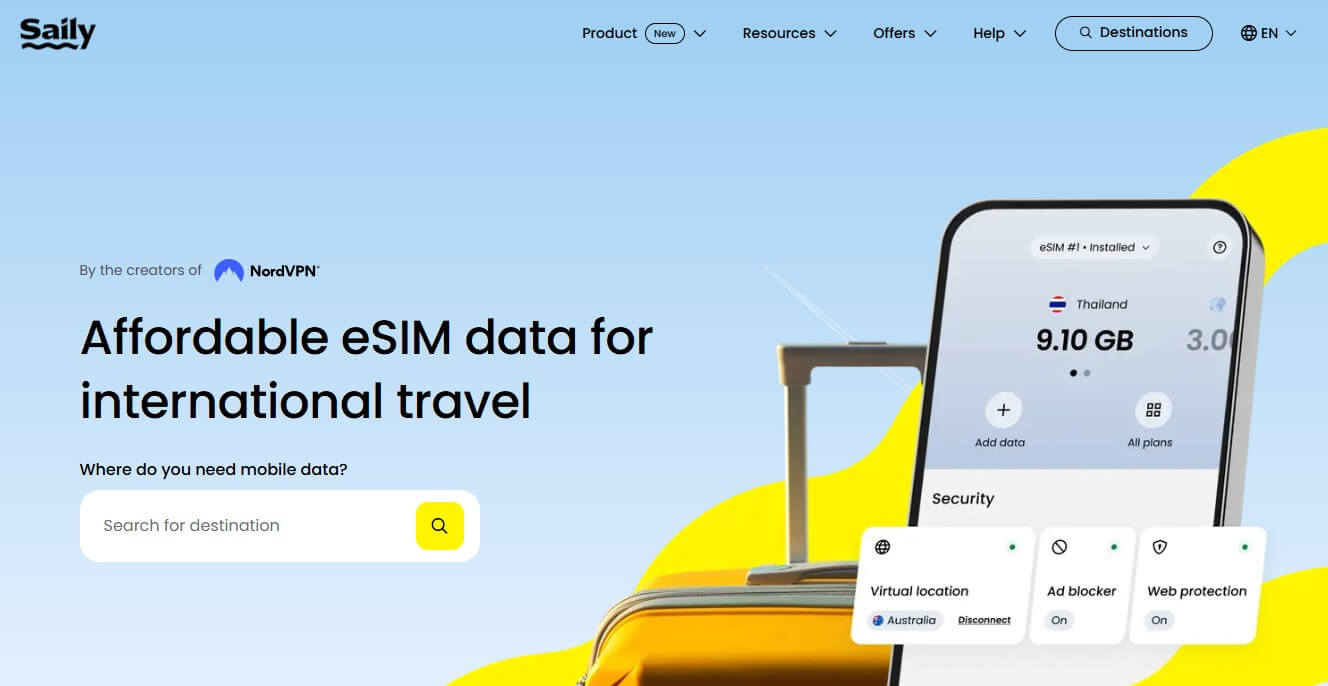
Q: How do I know if my phone is unlocked for an eSIM?
A: Go to Settings > General > About (iPhone) or Settings > Connections > SIM card manager (Android); look for “Carrier Lock: No SIM restrictions” or “No network lock.” If you see a carrier name listed as a lock, your device is not compatible with third-party eSIM plans.
Activation and Setup Without a Physical Card
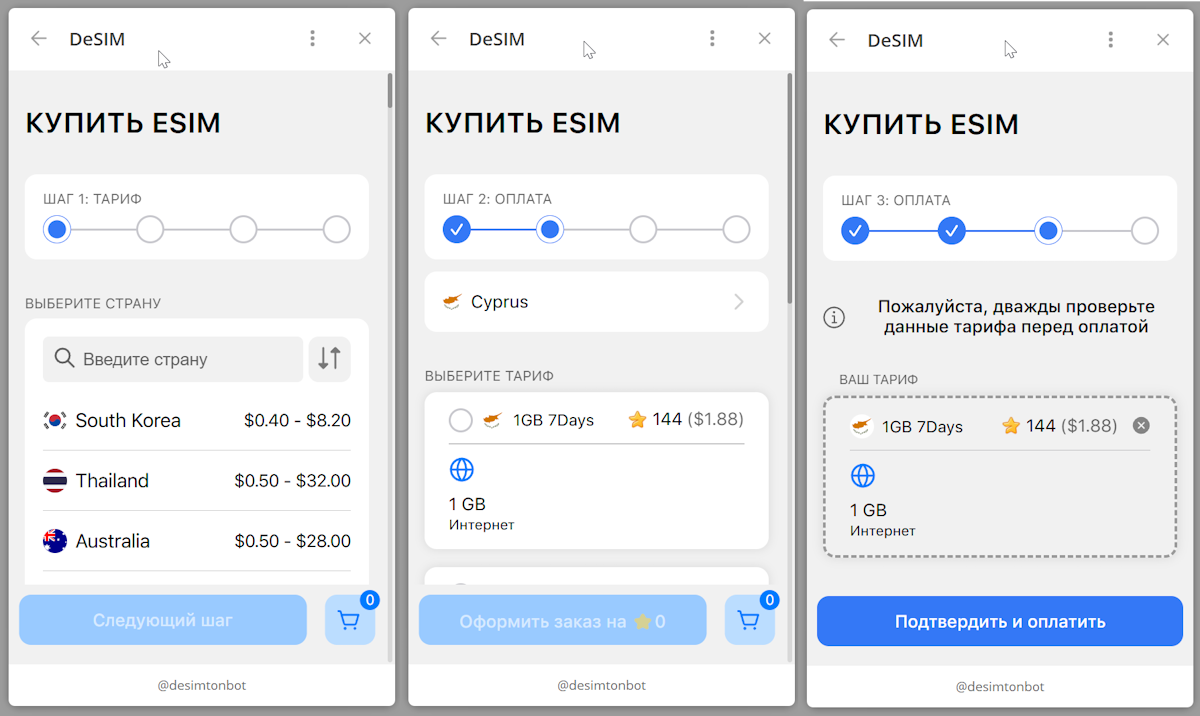
Activation and setup without a physical card for an eSIM data plan begins immediately after purchase. You receive a QR code or a downloadable profile link via email or the provider’s app. Scanning the QR code with your device’s camera, or tapping the link, prompts the system to download the eSIM data plan profile directly to your phone’s eSIM slot. The entire activation without physical card process typically takes under five minutes, requiring no visit to a store. Once installed, you select the newly added eSIM line in your cellular settings and ensure data roaming is enabled. The plan activates as soon as the profile installs, provided you have an internet connection for the initial download.

Quick Installation Steps via QR Code
Once your eSIM data plan is purchased, the provider issues a unique QR code. You initiate setup by opening your device’s cellular or mobile network settings and selecting “Add eSIM.” Scanning this code triggers an immediate profile download; the entire registration takes place server-side, so no physical card ever enters the device. After a successful scan, the profile installs in seconds and activates automatically. The QR code method eliminates manual entry errors and network configuration steps. The typical sequence follows:
- Navigate to your phone’s mobile network settings.
- Choose “Add Data Plan” or the equivalent eSIM option.
- Scan the QR code displayed on your purchase confirmation screen.
- Wait for the profile to download and activate.
A final restart is optional but recommended to refresh network registration.
Managing Multiple Profiles on One Device
Managing multiple eSIM profiles on one device allows you to switch between data plans for work, travel, or personal use without swapping physical cards. In settings, you can label each profile (e.g., “Business,” “Spain Trip”) and toggle which is active for cellular data. Dual SIM management enables one line for calls and another for data, preventing conflicts. You can store several profiles but typically only two active at once; deactivate an unused profile to free a slot. If switching plans mid-trip, simply change the active data line.
Troubleshooting Common Connection Issues

When troubleshooting common connection issues during eSIM activation without a physical card, first verify that APN settings are correctly configured, as missing or incorrect entries will block data. Ensure your device has a stable Wi-Fi connection for downloading the eSIM profile, as interruptions corrupt the installation. If the profile fails to activate, restart the device to refresh network registration. Check that airplane mode is disabled and roaming is enabled if required, as these settings often disrupt the provisioning process.
- Verify APN settings exactly match your carrier’s specifications.
- Restart the device after eSIM profile installation to force network re-detection.
- Toggle data roaming on if connection fails in a non-local region.
Cost Efficiency Compared to Roaming Charges
Switching to an eSIM data plan slashes your connectivity costs compared to predatory roaming charges, which often pile on daily fees for even a single megabyte. You pre-purchase local or regional data at local rates, completely bypassing the carrier-imposed premium for using your home network abroad. A typical eSIM plan might cost $10 for 5GB, whereas roaming could demand $15 for just 100MB. This upfront pricing also eliminates the painful post-trip bill shock, as there are no surprise daily activation fees. The savings compound across multiple trips, making eSIMs the undisputed financial winner for global data versus pay-per-use or daily roaming passes.
Flat-Rate Plans vs Pay-as-You-Go Models
When comparing Flat-Rate Plans vs Pay-as-You-Go Models for eSIM data, the core difference is predictability versus flexibility. A flat-rate plan provides a fixed amount of high-speed data for a set daily or monthly fee, eliminating surprise bills and making budgeting simple for heavy users. Conversely, pay-as-you-go charges per megabyte consumed, which is cost-effective for sporadic, low-data use but becomes expensive quickly if you stream or navigate frequently. To choose effectively:
- Estimate your daily data needs for maps, messaging, and browsing.
- Select a flat-rate plan if your usage exceeds 500 MB per day.
- Opt for pay-as-you-go only if you need data for less than an hour daily.
Hidden Fee Avoidance Strategies
A primary hidden fee avoidance strategy involves meticulously auditing an eSIM plan’s fine print for data-only throttling triggers. Users must verify that the plan explicitly prohibits post-cap speed reductions, which can render navigation apps unusable while still consuming allotment. Another tactical approach is selecting plans with native tethering allowances; many providers silently charge activation fees or reduce speeds when hotspot usage is detected. Additionally, avoid plans that bundle “free” voice minutes, as these often incur per-minute surcharges when roaming outside the eSIM’s core network.

- Confirm the eSIM includes no “fair use” clause that retroactively imposes per-MB overage fees after a soft cap.
- Reject any plan requiring a refundable deposit tied to returning a physical SIM, as this creates a hidden holding cost.
- Verify that the plan’s activation fee is a one-time fixed cost, not a recurring “service initiation” charge on each top-up.
Bundling Voice and Text with Data
Bundling voice and text with data in an eSIM data plan directly circumvents the per-minute and per-message roaming charges that accumulate rapidly on traditional networks. Instead of paying inflated rates for each call home or SMS, a unified allowance treats all communication forms as a single, pre-paid pool of credit. This logical structure allows travelers to estimate their total communication costs upfront, eliminating the financial uncertainty of receiving a bill with unpredictable roaming surcharges. For the frequent traveler, this consolidation means paying a flat fee for unified global communication rather than itemized, location-based tariffs, which eradicates the core expense of roaming altogether.
Top Providers for Digital SIM Services
For esim data plans, top providers like Airalo and Holafly offer instant activation and competitive regional bundles. Airalo excels with local eSIMs for deep cost savings in single countries, while Holafly provides unlimited data options ideal for heavy users. Ubigi stands out for reliable speeds in urban hubs. Nomad occasionally edges ahead with flexible pay-as-you-go top-ups that adapt to shifting travel schedules. These platforms let you skip physical SIMs entirely, scanning a QR code to attach a new data plan directly to your phone.
Established Carriers Offering Remote Provisioning
For established carriers offering remote provisioning, the process begins with purchasing a compatible eSIM data plan from the provider’s website or app. After choosing a plan, you scan a QR code sent via email or download a carrier-specific app to install the profile. The sequence is:
- Select a prepaid or postpaid data plan in the app or web portal.
- Generate and receive the eSIM activation details instantly.
- Install the profile onto your device’s eSIM slot, then set it as the active data line.
These carriers integrate remote provisioning directly into their customer portal, allowing you to switch between plans or top up without visiting a store.
Newer Specialists in Short-Term Connectivity
Newer specialists in short-term connectivity, like Airalo and Holafly, excel by offering hyper-specific eSIM data plans tailored to brief trips. These providers strip away long-term commitments, allowing you to activate a travel eSIM for as few as one day. Their streamlined apps focus on immediate, hassle-free activation and local network access without roaming contracts. A key advantage is the ability to layer on small data boosts mid-trip. For the visitor needing instant, reliable access for a weekend or week, these operators provide the most flexible short-term eSIM options available, prioritizing ease of use over feature bloat.
Newer specialists in short-term connectivity deliver precisely timed, flexible eSIM data plans that prioritize instant activation and simplicity for brief travel durations.
User Reviews on Reliability and Speed
When evaluating eSIM data plans, user reviews consistently highlight real-world download and upload consistency as the ultimate benchmark. Travelers frequently report that Airalo offers reliable 4G LTE speeds in major cities but can falter in remote areas. Conversely, Holafly receives strong praise for maintaining stable connections during cross-border travel in Europe, with minimal throttling. For those prioritizing speed, GigSky users often note faster initial connections after activation. A clear sequence emerges from aggregated feedback:
- Check reviews for your specific destination’s coverage depth, not just headline speeds.
- Look for recent comments about latency spikes, especially during peak hours.
- Prioritize providers with consistent praise for reconnecting quickly after network handoffs.
These user-verified patterns help you avoid data dropouts and ensure dependable performance for streaming or navigation.
Security Features for Mobile Data Usage
eSIM data plans enhance mobile data security by eliminating the physical SIM card, which prevents SIM swapping attacks. The embedded chip stores credentials in a tamper-resistant secure element, making remote cloning impossible. For maximum protection, always use a primary eSIM with a strong PIN and avoid storing multiple profiles on the same device. Activate only the eSIM profile you need and delete unused ones immediately to reduce the attack surface. Ensure the device’s eSIM management interface requires biometric or PIN confirmation before any profile change. When traveling, never install eSIM profiles from untrusted QR codes; always scan directly from the official provider’s app or website. Combined with standard practices like VPN usage and disabling automatic Wi-Fi connections, an eSIM provides a hardened data pathway for secure mobile connectivity.
Encryption Standards in Remote Profiles
When activating an eSIM data plan, the remote profile download uses end-to-end encryption based on GSMA’s SGP.22 standard. This encrypts the profile package between the operator server and the eSIM chip using RSA-2048 keys during transport, preventing interception. Once delivered, the profile is stored in a tamper-resistant secure element, where AES-256 encryption protects credentials at rest. Decryption only occurs within the eSIM’s hardware-backed execution environment during authentication, ensuring your remote provisioning remains isolated from the device’s main OS. This layered cryptographic model guarantees that no unencrypted subscriber data ever leaves the secure element.
Encryption standards for eSIM remote profiles combine transport-layer RSA-2048 with local AES-256 storage, ensuring subscriber credentials remain encrypted end-to-end within the tamper-resistant secure element.
Switching Carriers Without Physical Swaps
Switching carriers without physical swaps is a core security advantage of an eSIM data plan. You avoid the risk of losing or damaging a tiny plastic card, and you eliminate the exposure of handling a physical SIM that could be cloned. Instead, you manage your remote carrier provisioning directly through your device’s secure interface. This digital process, often protected by device-level authentication, means you can instantly deactivate a compromised profile and activate a new one on the fly, ensuring your cellular access remains completely under your control without ever touching a piece of plastic.
eSIM data plans let you switch carriers through secure digital profiles, eliminating physical SIM swaps.
Privacy Considerations for Frequent Travelers
Frequent travelers face amplified privacy risks, as switching between local carriers via eSIM data plans can expose your device to insecure networks. To mitigate this, always use a privacy-focused eSIM provider that routes data through encrypted tunnels, preventing location tracking by airports or hotels. Disable roaming on secondary eSIM lines when not in use, as background data can reveal your travel patterns. Additionally, activate temporary digital SIM profiles only for your destination, deleting them upon departure to erase digital footprints. For sensitive transactions, pair your eSIM with a trusted VPN to mask your IP and avoid data interception by foreign ISPs.
Privacy for frequent travelers hinges on using encrypted eSIM profiles, limiting active SIM lines, and deleting profiles post-trip to prevent location leakage.
Optimizing Performance Across Networks
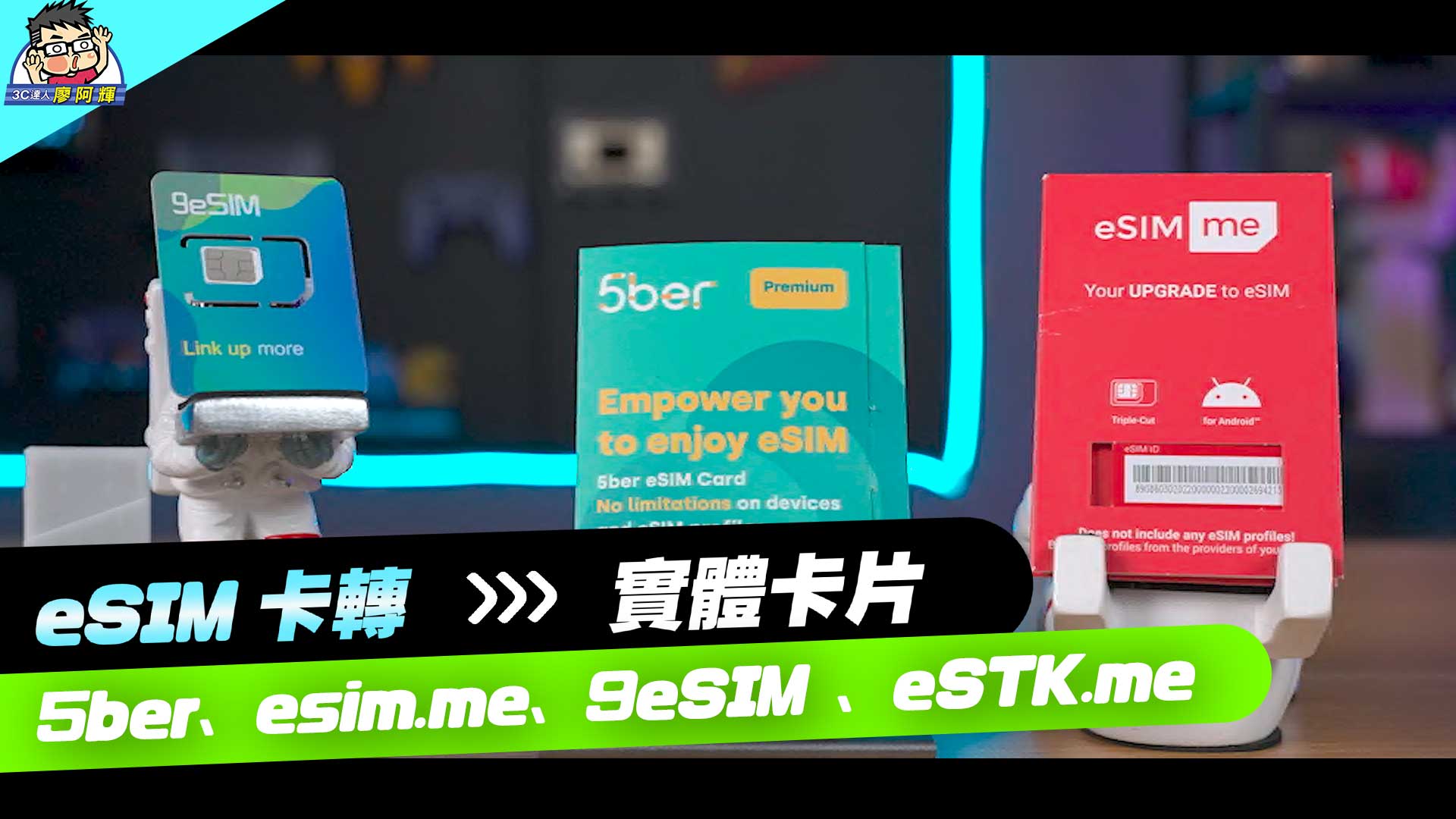
Optimizing performance across networks with an eSIM data plan requires proactive carrier switching when signal degrades. Manually selecting a local partner profile within your eSIM app bypasses congested towers, ensuring consistent speeds.
Always pre-download multiple network profiles to instantly switch without data interruption.
Adjust device settings to prefer LTE over 5G in weak signal zones—this prevents battery drain and packet loss during roaming. Disable background app refresh for non-essential services to allocate bandwidth to critical tasks. By prioritizing network agility and local profiles, you maintain low latency and high throughput regardless of location.
Prioritizing 4G and 5G Access
Prioritizing 4G and 5G access within an eSIM data plan hinges on configuring device settings to enforce network-mode selection. For optimal latency, manually lock the device to 5G Standalone (SA) when stationary. Conversely, during high mobility or in weak signal zones, switching to 4G LTE ensures stable throughput by avoiding constant 5G Non-Standalone (NSA) handovers. A logical sequence for this prioritization includes:
- Identify which local bands your eSIM carrier aggregates for 4G and 5G.
- Set a preferred network type (e.g., 5G only for data-heavy tasks, 4G for calls plus data).
- Toggle off automatic network selection to lock onto the specific generation providing consistent speed.
Bandwidth Throttling Awareness
When you’re on an esim data plan, bandwidth throttling awareness helps you spot when your provider deliberately slows your speed after you hit a certain data cap. This often happens during high-usage periods, making streaming or video calls choppy. Check your plan’s fine print for “fair usage policies” that trigger throttling. If your connection suddenly drags, it might not be your location but a soft limit kicking in. To stay ahead, monitor your data usage in real-time and consider switching to a premium plan that promises unthrottled speeds for your critical tasks.
Using Data Monitoring Tools
Using data monitoring tools with an eSIM data plan allows you to track real-time consumption directly from your device, preventing unexpected throttling or overage fees. These tools, often built into the eSIM’s companion app, provide granular insights per app or time period, enabling you to optimize high-bandwidth usage by adjusting video streaming quality or restricting background data. By setting automatic alerts at specified thresholds, you can proactively manage your remaining allowance across multiple networks. This precision ensures you stretch your eSIM’s capacity without sacrificing connectivity.
Using data monitoring tools gives you direct control over your eSIM consumption, preventing overages and ensuring efficient network use through real-time tracking and alerts.
Future Trends in Remote SIM Technology
Future trends in remote SIM technology will make esim data plans instantly adaptive. Users will switch between local and global data profiles with zero latency, triggered by geolocation or trip schedules. Plans will integrate AI that pre-emptively roams to the strongest local network, slashing dead zones. Multi-device bundling will become seamless—a single esim data plan could power your phone, tablet, and laptop, with data pooling automatically. Real-time bandwidth scaling will let you turbocharge speed temporarily for streaming, then revert to a standard tier. The SIM itself evolves into a cloud-native profile, updatable over the air, meaning you never swap cards or wait for delivery.
Integration with IoT Devices
Integration with IoT devices transforms eSIM data plans by enabling direct, remote provisioning for sensors, trackers, and smart appliances. These devices leverage an eSIM’s ability to switch carriers over-the-air, UK eSIM ensuring continuous connectivity without physical SIM swaps. A single eSIM data plan can manage heterogeneous fleets, automatically selecting the best local network for low-power devices like environmental monitors. This eliminates manual configuration in hard-to-access installations. Automated carrier switching optimizes data costs for IoT deployments, such as smart agriculture systems that transmit sporadic but critical alerts.
Q: How does an eSIM data plan improve IoT device management? A: It allows you to remotely update network profiles on deployed devices, so a fleet of tracking tags can seamlessly roam across regions without hardware intervention.
Potential for Dual-SIM Flexibility
The potential for dual-SIM flexibility with eSIM data plans means you can keep your home number active while adding a local data plan abroad, all without swapping physical cards. You might run work on one profile and personal data on another, instantly toggling between them. Question: Can I use two eSIMs at once? Yes, many modern phones support dual active eSIMs, letting you receive calls on one line while streaming on another, making travel and daily juggling seamless.
Global Regulatory Changes Ahead
Global regulatory changes will standardize cross-border eSIM data plans, eliminating the need to swap local profiles when traveling. Soon, you will activate a single plan that automatically complies with regional data privacy and telecom rules. To prepare for this shift, follow a clear sequence:
- Verify your eSIM provider’s compliance with emerging global frameworks.
- Choose plans that guarantee uninterrupted service across regulated zones.
- Update device settings to accept automated carrier-profile adjustments as laws change.
These steps ensure your connection remains legal and seamless without manual intervention.